Explaining Variation in Attitudes Towards Partnerships
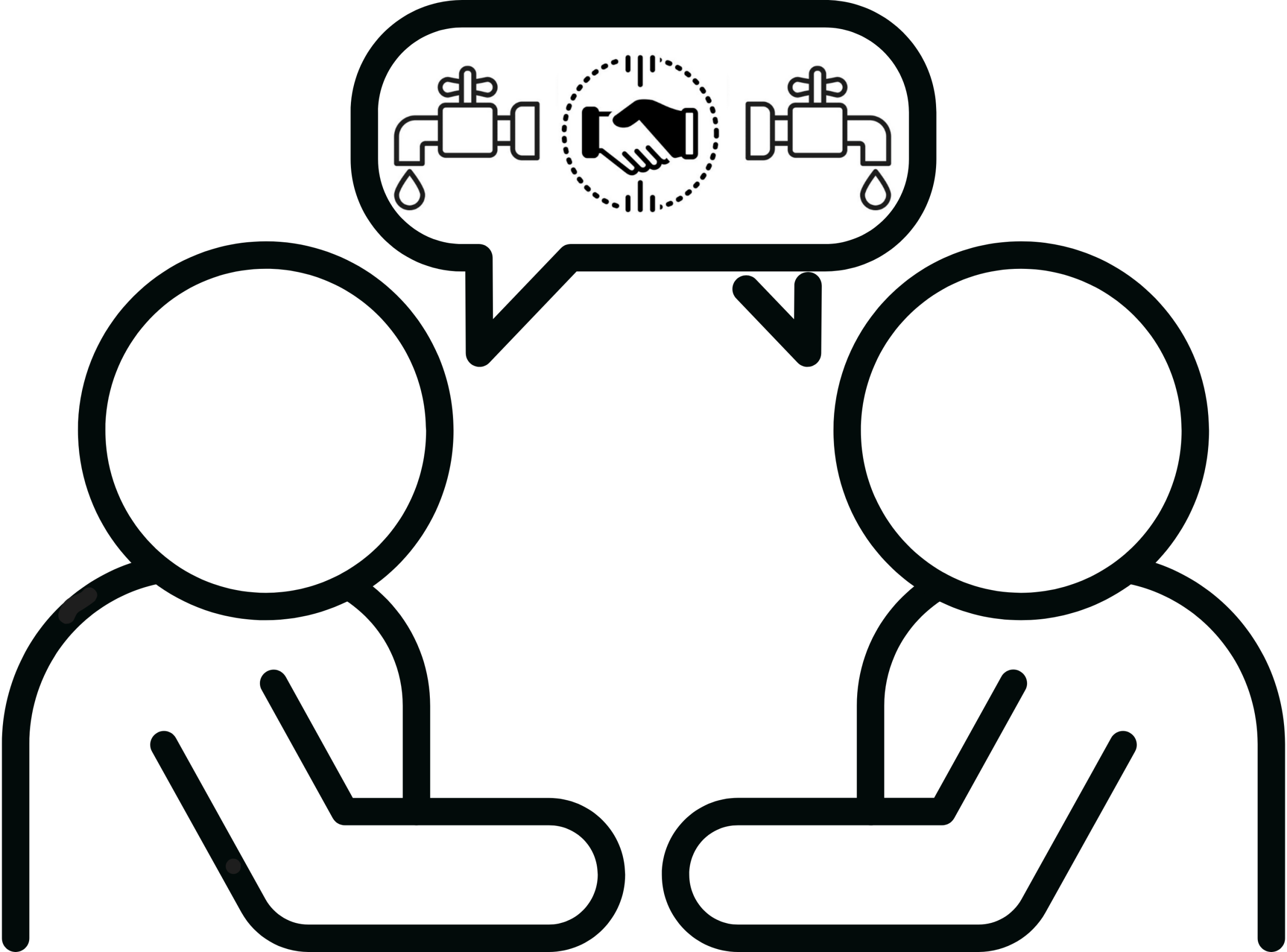
When evaluating whether to form a partnership, small drinking water systems weigh the costs of partnership formation with the potential benefits of partnerships. This decision is not purely an economic decision; rather utilities also consider social and normative factors. For example, a small drinking water system may take pride in being community run. In this case, a partnership could threaten the system’s sense of “who we are as an organization," leading it to resist partnerships. Although potentially an important consideration for small systems, the role of cultural factors in shaping small drinking water systems’ attitudes towards partnerships remains to be determined.
This research seeks to learn about the factors shaping attitudes towards partnerships by small drinking water systems. To do so, it is essential to talk to system owners and operators about the perspectives of their organization towards partnerships (whether positive, neutral, or negative) and to ask about the factors influencing their perspectives.
- Stage 1: Fall 2026 – Small drinking water system owners and operators will be interviewed to determine what shapes their attitudes towards partnerships. Participants will share information about their small drinking water system, its challenges, and its organizational identity.
- Stage 2: Winter 2026-2027 – Interviews will be analyzed for common themes, and results will be used to inform policies and programs that seek to help small drinking water systems increase their capacity.
Stay tuned, updates will be posted here as the study progresses!
For more information contact alubeck “at" umass.edu
This research is based upon work supported in part by the National Science Foundation under Grant No. 2150578 Any opinions, findings, and conclusions or recommendations expressed in this paper are those of the author(s) and do not necessarily reflect the views of the National Science Foundation.